What Soccer Taught Me About Belonging
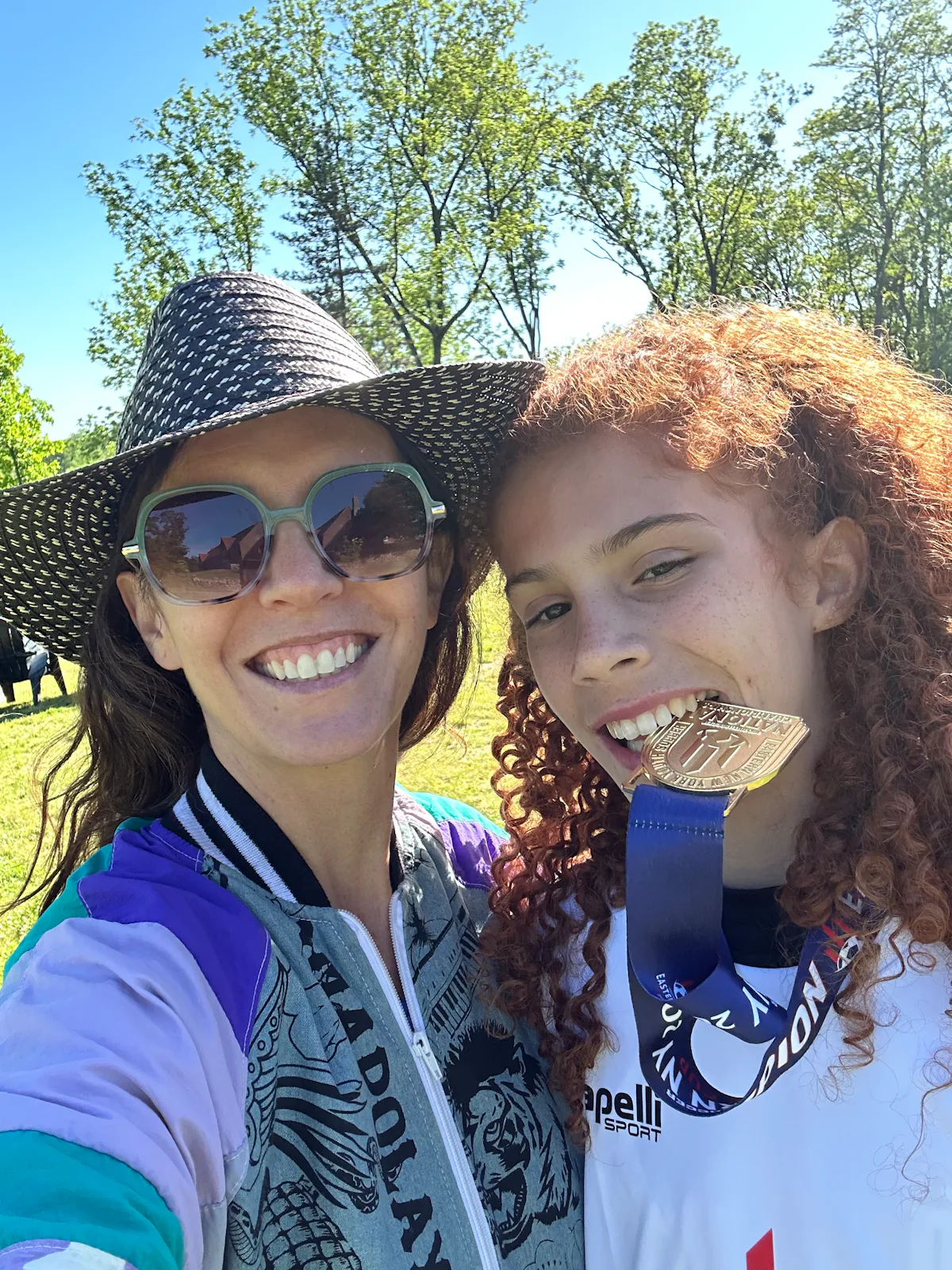
I am a proud soccer mom. I spend my weekends traveling up and down the East Coast from Boston, Massachusetts to Richmond, Virginia, and everywhere in between, all so my son can play soccer. There have been plenty of times on the hours-long drive where I have asked myself, “What am I doing?!” But the truth is, I manifested this reality years before my son was born.
I am the child of an immigrant. My family is from Colombia and my mother played for the Colombia national team for both basketball and tennis. She was a skilled athlete at a time when women’s sports were far from mainstream. I grew up hearing about her tennis matches against her older sister, who was her biggest competitor, and about the love she had for basketball. My mother was very tall by Colombian standards: She stood at a whopping 5-foot-10.
Basketball was one of the few places where her height made her feel like she belonged. That sense of belonging did not last long. My mother became pregnant at 17. She married my father, my brother was born, and soon after so was I. My mother believed Colombia could not offer us the future she wanted, so we came to the United States when my brother was seven and I was three.
Sports took a backseat to survival as newly arrived immigrants trying to build a life in this country. Eventually, after a few years of struggle, my mother created stability, and sports came back into our lives. It wasn’t tennis or basketball this time, and it wasn’t from my mother either. My brother found his love in baseball. I suspect his decision to play a sport no one in our family had ever even heard of came from wanting to belong. Being an immigrant kid can be excruciatingly isolating, and I think baseball allowed my brother to finally feel American.
As a child, the only thing I wanted was to be accepted by my older brother, so I followed him onto the baseball field just to impress him. We both inherited our mother’s athleticism and played through high school. Baseball was about acceptance and community in the United States, but ironically every time I went back to Colombia, the sport that made me feel at home in the States left me feeling disconnected there. Kids in Colombia played soccer all day and night—in the streets, on the beach, in school yards, in every open space imaginable. I had no idea what to do with a soccer ball. Every kick hurt. My toes felt like they were breaking into pieces. So I resorted to just watching kids play.
I don’t remember the exact moment it happened, but I do recall the promise I made to myself. My future children would play the sport the world played: soccer. I wanted them to be able to play anywhere, meet anyone, in any country, and instantly find connection. As soon as my son, Mateo, could walk I placed a soccer ball at his feet. To my delight, my mother’s athletic genes clearly lived on in him. Mateo has been playing competitive soccer since he was eight years old, and he absolutely loves the game.
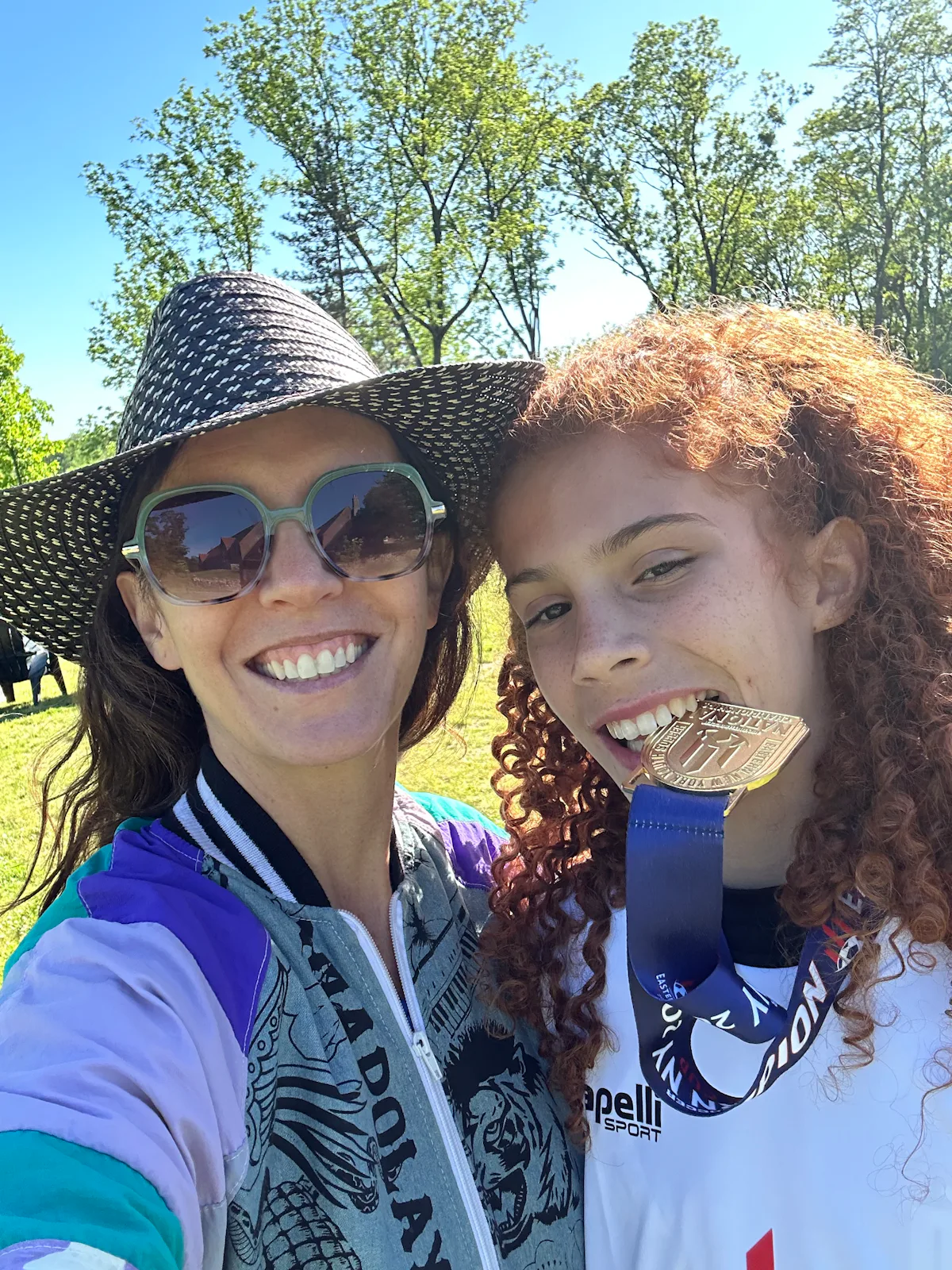
Soccer has given him so much more than athletic ability. It has given him confidence, discipline, and a deep understanding of teamwork; it has given him community. I have watched the lessons he learned on the field shape the way he moves through the world and connects with others. One of my greatest hopes was that soccer would allow him to feel at home anywhere, with anyone. And that dream has come true. He has played soccer in the favelas of Brazil, on the beaches of Senegal and on the streets of Colombia. Everywhere he has traveled, a soccer ball has been in toe and friendships have been made as easily as breathing.
That is why the World Cup matters so much. Soccer is the world’s game, and on June 11th the World Cup is coming to the United States, Mexico and Canada. It should be a moment of joy, connection and global celebration. Instead, it is arriving at a time when immigrant communities across the United States are living in fear. The Trump administration has stated that ICE will have a presence at World Cup matches. While it remains unclear exactly what that presence will look like, the very idea of ICE being associated with the world’s most beloved sporting event sends a chilling message to immigrant communities.
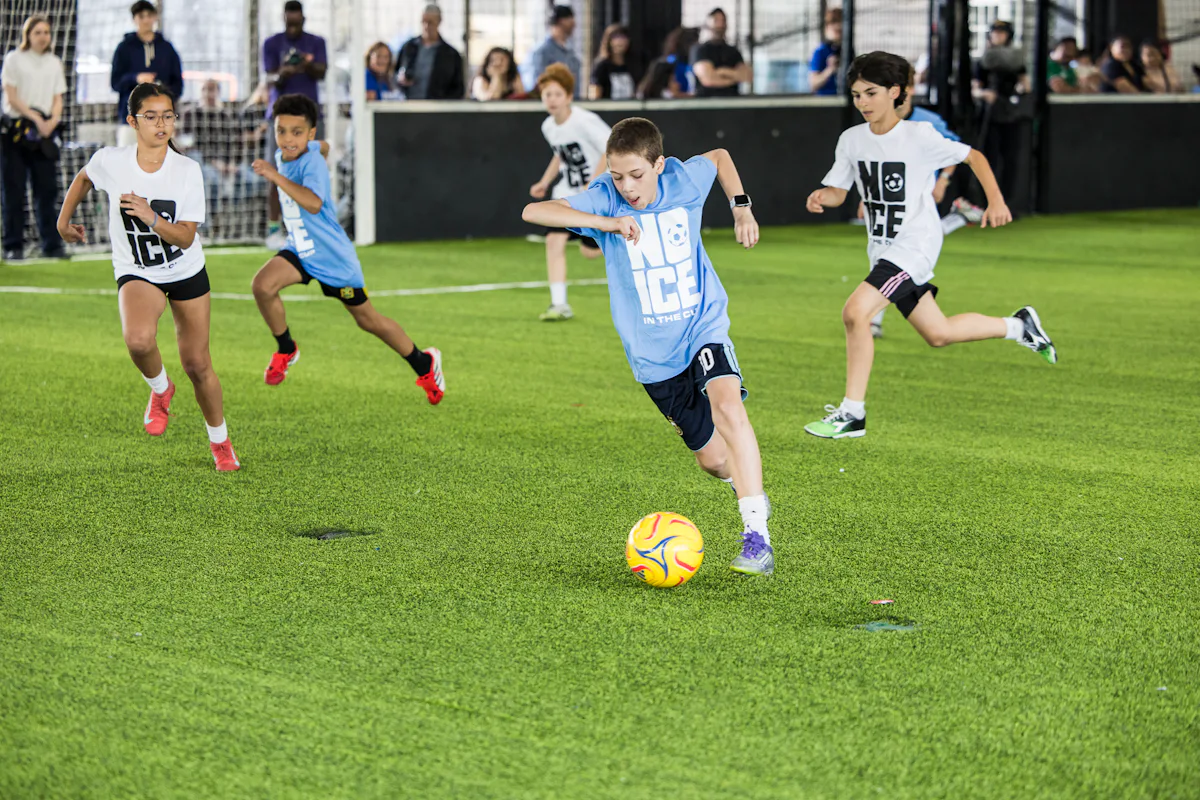
I am honored to be one of many people and over 70 organizations that have come together across ideologies and sectors to demand, No ICE in the Cup! We do not want ICE in stadiums. We do not want ICE in airports. We do not want ICE in our streets. We want all communities, especially immigrants, to feel welcome, safe and free from fear. Last weekend, young people between the ages of 9 and 13 came together to play in a soccer tournament driven by a shared message, that ICE has no place in the World Cup. This is what soccer is truly about. It is about finding common ground across differences and protecting one another.
Soccer builds belonging. It reminds us that everyone deserves to feel safe on the field and off. I have never been prouder to be a soccer mom than I am right now, standing alongside others to defend immigrant communities and insist that every person regardless of immigration status deserves dignity, safety and the freedom to live without fear from a government intent on harming them. This is bigger than a game. This is about what it means to be in community with one another. This is a living embodiment of care. This is what it means to be a nation.
Paola Mendoza is the co-author of the best selling YA novel Sanctuary. She is a filmmaker and organizer living in Brooklyn with her son and dog.
source https://www.scarymommy.com/lifestyle/what-soccer-taught-me-about-belonging


Comments
Post a Comment