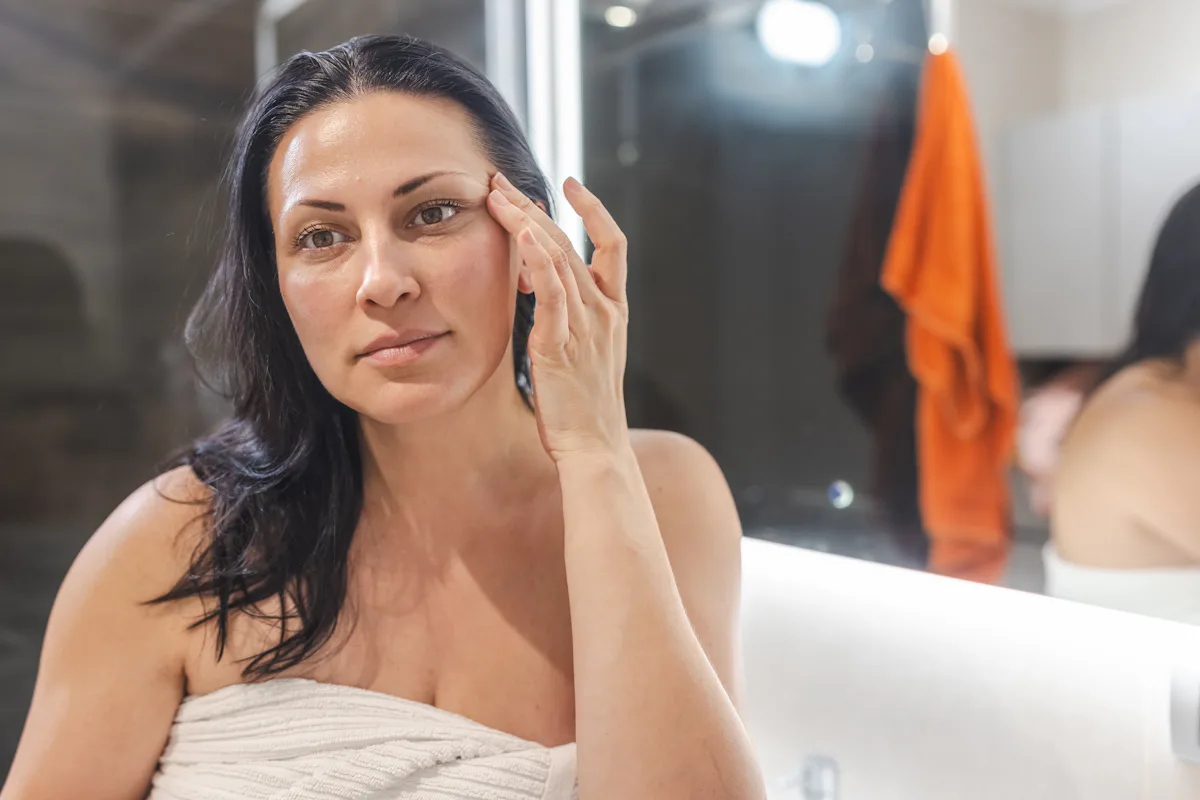
As women, our skin is constantly evolving. You may already be familiar with hormonal breakouts and used to dealing with the micro chin hairs that spring up overnight. But perimenopause is a different animal. As your body begins to transition into menopause, hormonal irregularity becomes more frequent. Mood swings and hot flashes are some of the most common, but the perimenopausal skin shift can be just as frustrating.
Estrogen levels begin to decline in your 40s (or as early as mid-30s for some!), and cause a host of new skin issues. It’s much more involved than a few breakouts during your period. According to Nazanin Saedi, MD, a board-certified dermatologist in Philadelphia, erratic estrogen levels can lead to fluctuating skin types, causing the skin to be bone-dry during certain periods and excessively oily during others. A thoughtful skin care routine during this time can be the difference between healthy and stressed-out skin. Instead of playing the guessing game of treating symptoms, a targeted routine like Rodan + Fields’ Redefine regimen can be more beneficial.
As a leading, female dermatologist-founded skin care brand, Rodan + Fields not only deeply understands women’s skin and their evolving changes, but they have always led with science. In fact, that ethos is exactly what makes it an authority in skincare. If you’re ready to rethink your approach to perimenopausal skin care, their routine is a good place to start.
How Does Perimenopause Affect Skin?
One of the trickiest things about perimenopause is nailing down the timeline. While the exact age differs, it’s helpful to know that the process begins eight to 10 years before menopause. During this time, estrogen levels fluctuate uncontrollably. So, what does that mean for your skin? In a nutshell, it means that your skin is changing. Dullness, uneven texture, and increased dryness are among the most typical concerns. But the biggest shift occurs at the molecular level, where the decline in estrogen slows down collagen production. This affects laxity, wound repair, and “the skin’s ability to hold onto moisture, which leads to an overall dip in hydration levels,” says Saedi. Delicate areas of skin, such as the neck, décolletage, and under-eye, become increasingly susceptible to fine lines. As if that’s not enough, jowl formation and cheek hollowing can also occur.
What Your Skin Needs Most During Perimenopause?
The easy answer here is support. “When things like dryness start occurring, it’s important to prioritize ingredients that support and strengthen the skin barrier,” says Saedi. Like parenting, a good routine isn’t a one-size-fits-all kind of deal. Instead, a combined approach tailored to your particular skin needs will yield the best results. Think: anti-aging routines plus potent ingredients. The Redefine regimen was developed with that principle in mind. It blends retinoid science with exclusive peptide technology to target the root of perimenopausal skin issues.
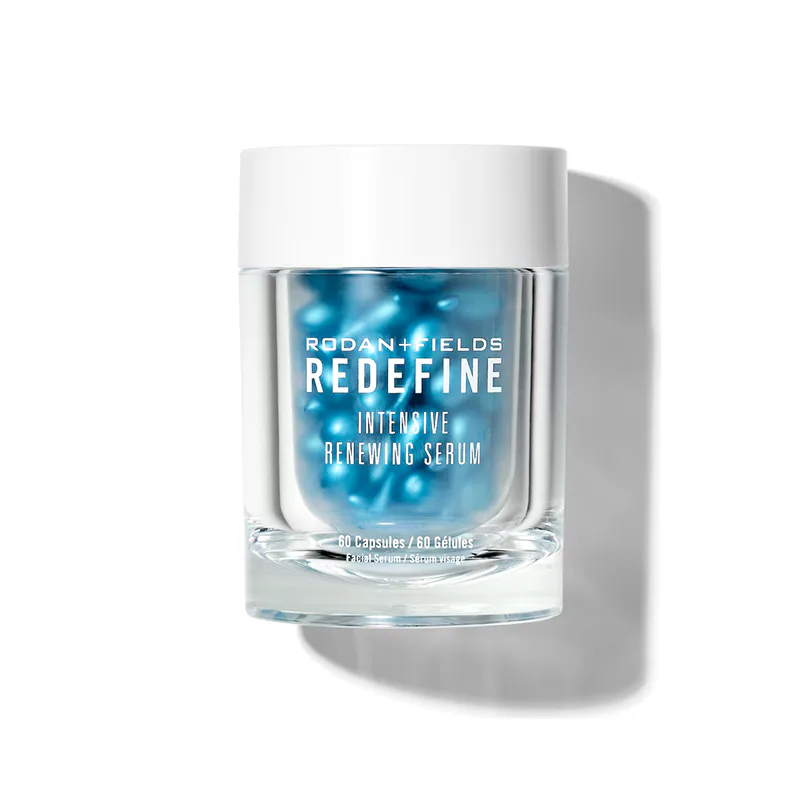
The star of the collection is the Intensive Renewing Serum, which works overnight with your skin’s natural renewing process. Key ingredients like vitamin A and peptides support collagen production, helping plump skin and soften fine lines. It also uses an encapsulated buffering system to minimize irritation. The proprietary technology makes the serum 11x more potent than retinol, while the ampoule format allows for targeted delivery. Even better? It penetrates deep beneath the surface to address sagging and loss of firmness.
How To Adjust Your Skin Care Routines
If you’re looking to streamline your routine, a nighttime adjustment is your best bet. The cellular turnover cycle naturally occurs as you sleep, so adding a potent retinoid can play a crucial role in boosting collagen production. But vitamin A alone won’t do the trick. Combating dryness is also essential. Barrier-supporting ingredients and rich creams with ceramides are great for hydrating the skin and promoting water retention.
However, using a retinoid at night means you need a diligent morning routine. An antioxidant like vitamin C is ideal for protecting your skin from free radical damage while sunscreen blocks harmful UV rays. Saedi explains that these adjustments “protect you from deeper skin damage that can impact the skin barrier and harm collagen structures.”
The Bottom Line
Though the effects of perimenopause vary for every woman, skin care during this transition period is universal. And adjusting your skin care routine becomes more of a necessity than an act of vanity. Knowing the tricks and adjustments to manage your skin can lighten the load — especially when your hormones are as unpredictable as your schedule.
source https://www.scarymommy.com/lifestyle/perimenopause-skin-shift
Comments
Post a Comment